What is a military training complex and how does it work?
A military training complex combines hardware, software and training methodology to practice military skills in a controlled environment.
A military training complex is a system for practicing weapon handling, tactical actions and other combat-training elements in a controlled environment. Depending on its purpose, it can combine weapon mockups, sensors, computers, projection or VR and specialized software.
These solutions are also called military simulators, interactive training systems, combat simulators or virtual training systems. English terminology includes military training simulator, combat training simulator and weapons simulator.
The purpose is a repeatable training environment where a service member performs exercises and an instructor controls scenarios, changes conditions and reviews results.
What a military training complex consists of
Architecture depends on the training task. A small-arms trainer, MANPADS complex and mobile air-defense team system need different equipment, but share the same logic.
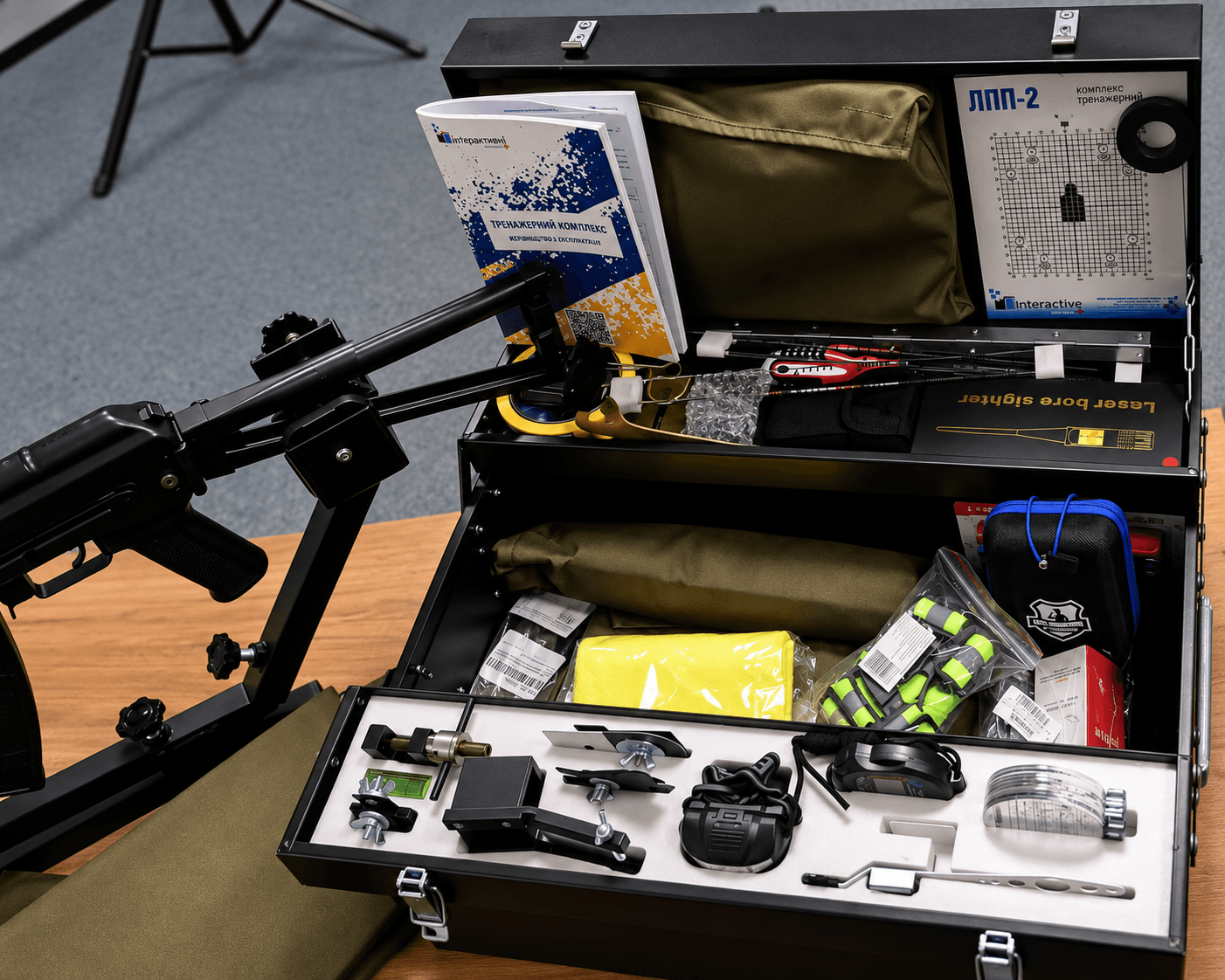
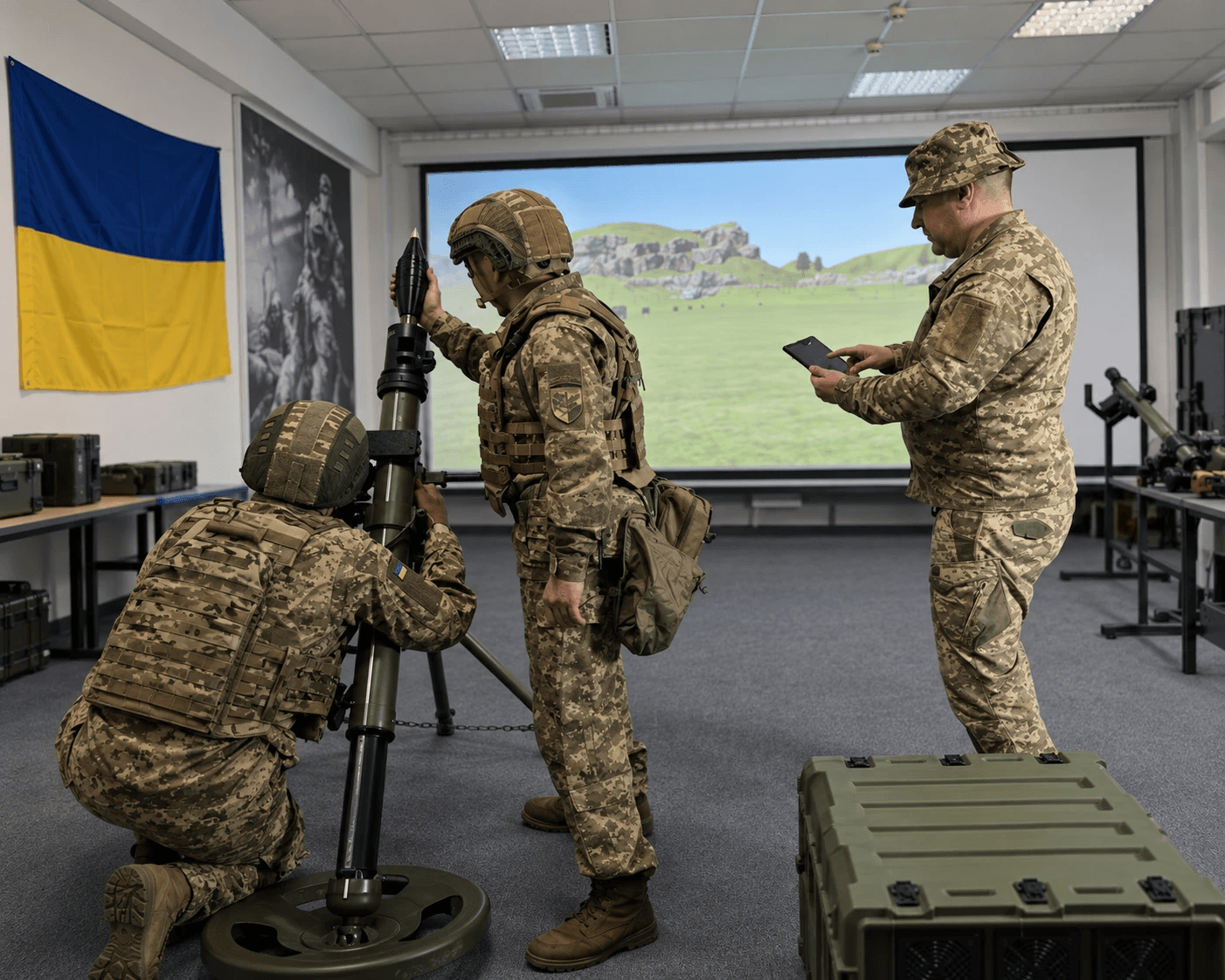
Hardware may include weapon mockups, sensors, a computer, displays and an instructor workstation. Visualization can use projection, monitors or VR headsets.
Software forms the virtual environment, target behavior, exercise conditions and system response. A modern trainer is therefore hardware, software and training methodology together.
What can be practiced on a military simulator
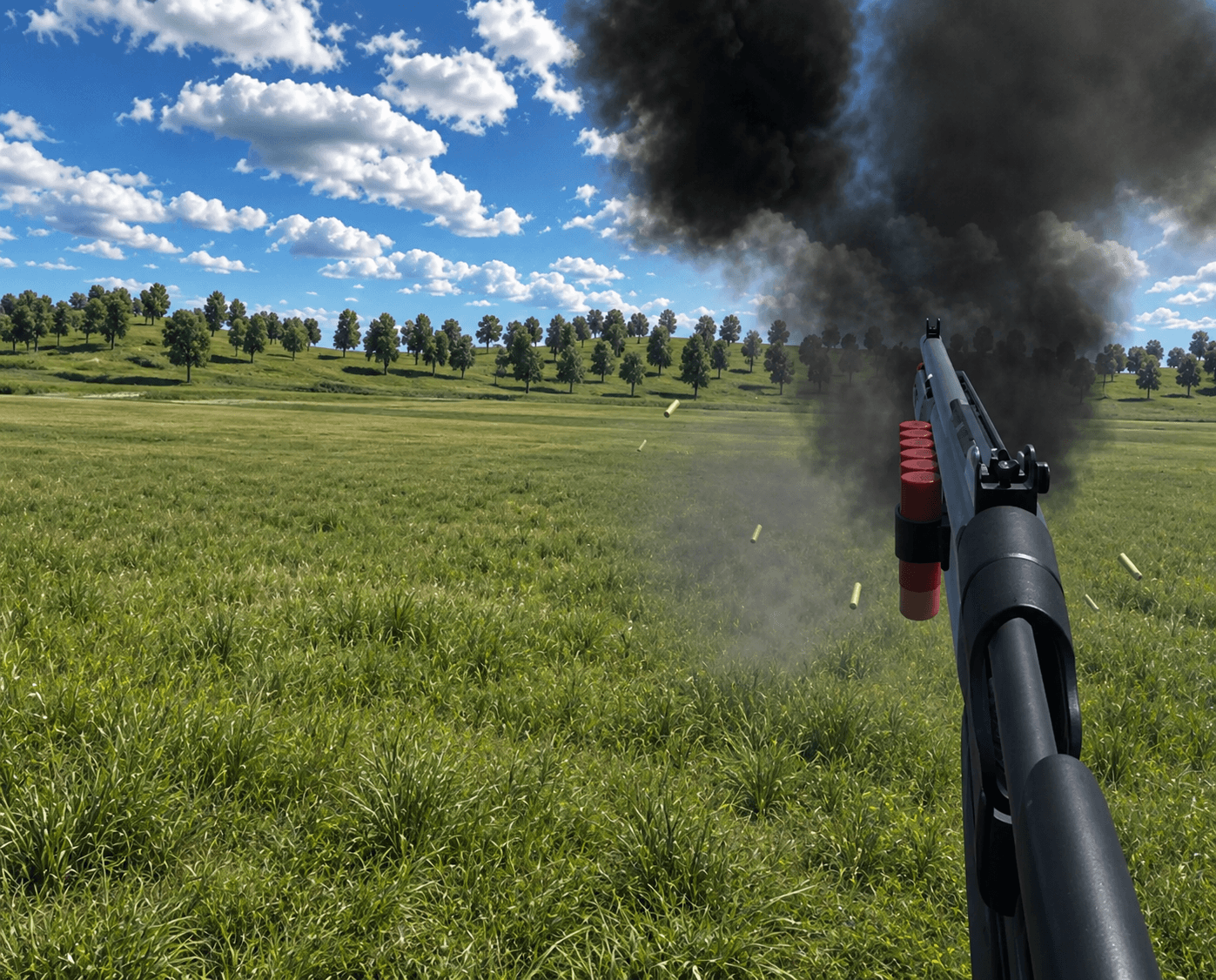
Capabilities depend on purpose. Some systems support basic firearms training, others specific weapons or group actions. Virtual environments can model targets, moving and aerial targets, distances, weather, time of day and locations.
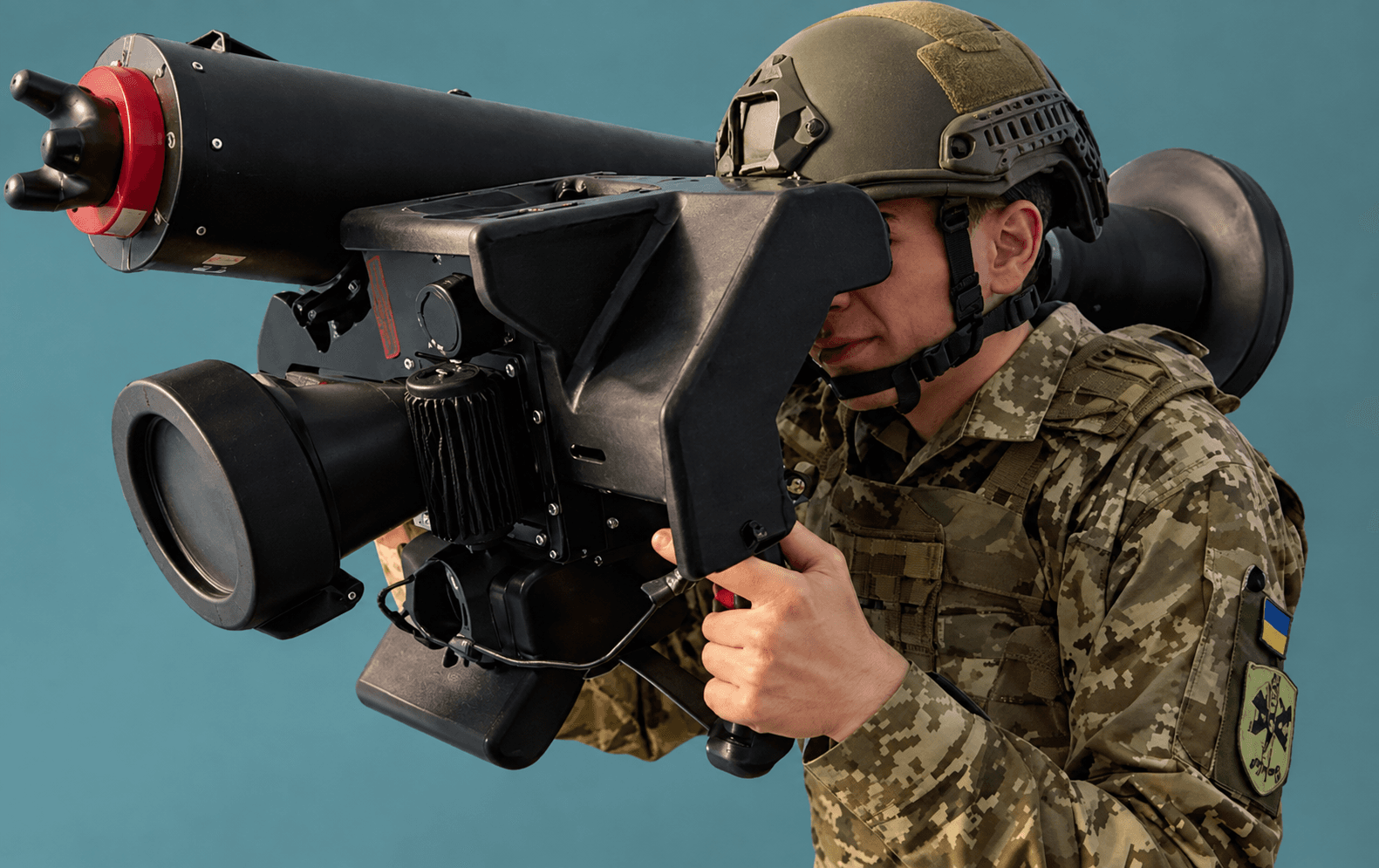
Small-arms training covers weapon handling, aiming and fire exercises; MANPADS training covers finding, locking and tracking an aerial target; mobile air-defense teams practice detection and engagement; anti-FPV training covers small-target detection, movement prediction and leading fire.
The term military simulator covers different systems united by repeatable practice in a controlled environment.
Interactive range, VR trainer and 3D simulator: what is the difference?
Names often describe visualization or interaction rather than a training standard. An interactive range usually projects targets on a screen and records the shooter’s actions without live ammunition.
A VR trainer places the user in a virtual environment through a headset, while a 3D combat simulator emphasizes software modeling of locations, targets, conditions, weapons and scenarios. These approaches can coexist in one complex.
Weapon mockups and software
For weapon trainers, physical interaction with a mockup is important. Mockups can reproduce mass and dimensions and use sensors to transmit actions into software.
Systems can model pistols, rifles, machine guns, grenade launchers, anti-tank weapons, MANPADS and other categories according to configuration. Physical equipment interacting with software distinguishes a weapons simulator from a computer game.
What role does the instructor play?
Before a session the instructor defines the task, chooses a scenario and sets parameters. During the exercise, the instructor monitors it and can change conditions.
Afterward, results support review: identifying errors, repeating an episode and comparing later sessions. Instructor tools and software matter as much as visual simulation.
Why a trainer does not replace combat training
Simulation allows repeated exercises without expending live ammunition each cycle. It does not fully replace field training, live fire or other practical preparation.
Its role is to build and repeat sequences, prepare for practical work and give the instructor a controlled environment. Its value is greatest as part of a broader training program.
From the T1 Trainer to VARTA.SYSTEMS
VARTA.SYSTEMS builds on training solutions developed by ISP and the T1 Trainer. Early T1 versions used an interactive range with weapon mockups; later the system developed into a full 3D combat simulator.
The trainer enabled repeatable scenarios without live ammunition. Experience from T1 and other ISP systems continues in the modern VARTA.SYSTEMS line.
The T1 Trainer and VARTA.SYSTEMS are not competing modern products: T1 belongs to an earlier stage whose experience continues in the modern VARTA line.
Which training systems VARTA.SYSTEMS develops
The VARTA.SYSTEMS line covers mobile firearms training, group training, mobile air-defense teams and MANPADS operators. Its counter-UAS direction includes VARTA ‘Counter-Drone’ for shooters and VARTA ‘FPV Duel’, which adds an active FPV pilot to a shared scenario.
VARTA Mobile, Mechanized Unit, Mobile Air-Defense Group, MANPADS and other systems are selected for the specific training task.
How to choose a military training complex
Start with the training task: who will train, with which weapons, individually or in a group and in which scenarios. Then evaluate mockups, software, instructor tools, environment, results analysis, deployment and supply.
Procurement also depends on documentation, staff training, warranty and technical support. Terms such as military trainer, VR trainer or military training simulator are only a starting point.
VARTA.SYSTEMS: training systems for military preparation
VARTA.SYSTEMS is a Ukrainian developer and manufacturer of training systems for military personnel, security and defense units and training centers. It combines engineering, hardware, software, training mockups and methodology.
The line covers firearms training, different weapons, MANPADS operators, mobile air-defense teams and FPV counter-training.
Frequently asked questions
It combines hardware, software and, depending on purpose, weapon mockups, projection or VR to practice military skills in a controlled environment.